
Hey Sweet Friends,
I pray you are encouraged!!
I stopped a bit short of the 100 verses. 😊 If you would like more verses, please let me know in the comments.
Love and prayers…k💗🙏


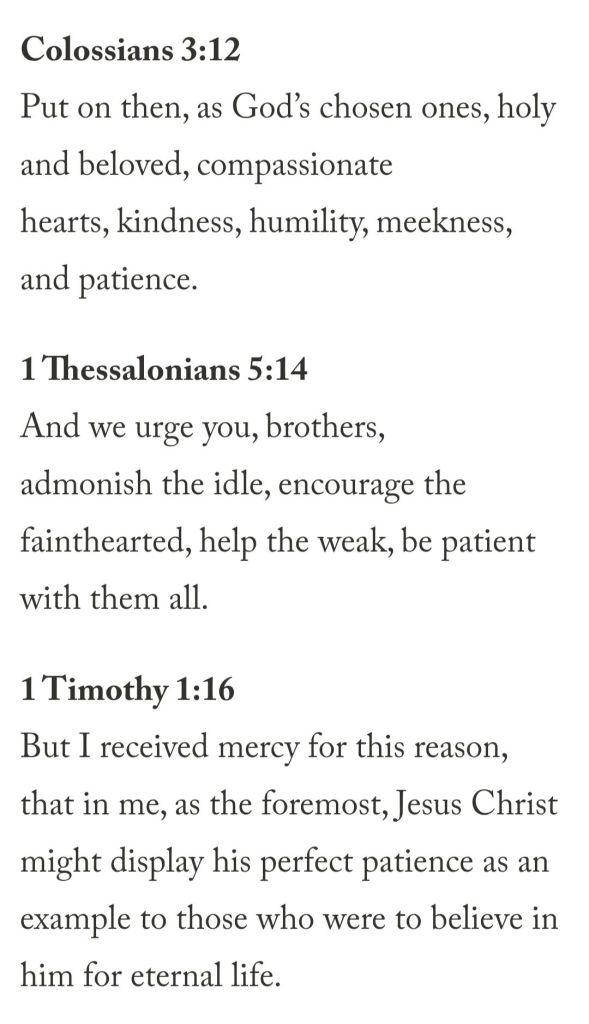

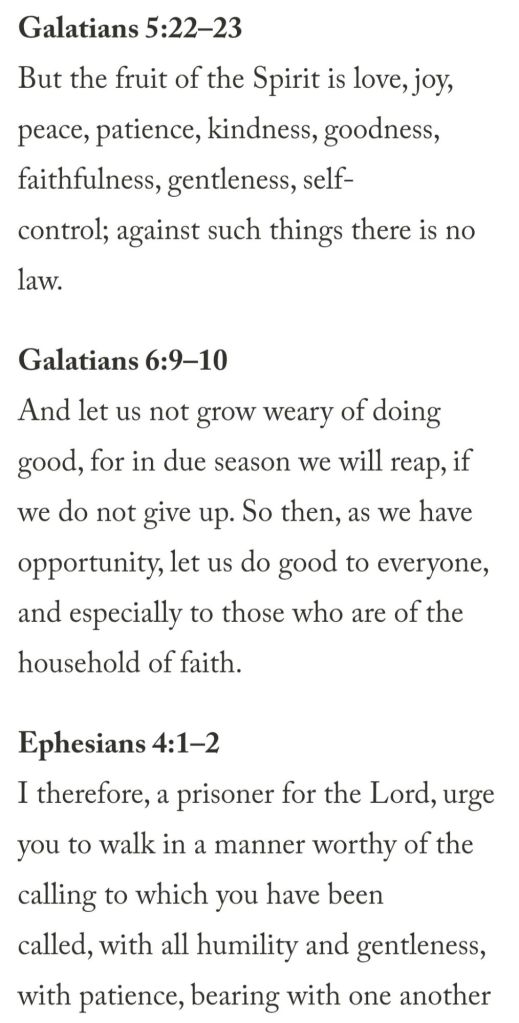


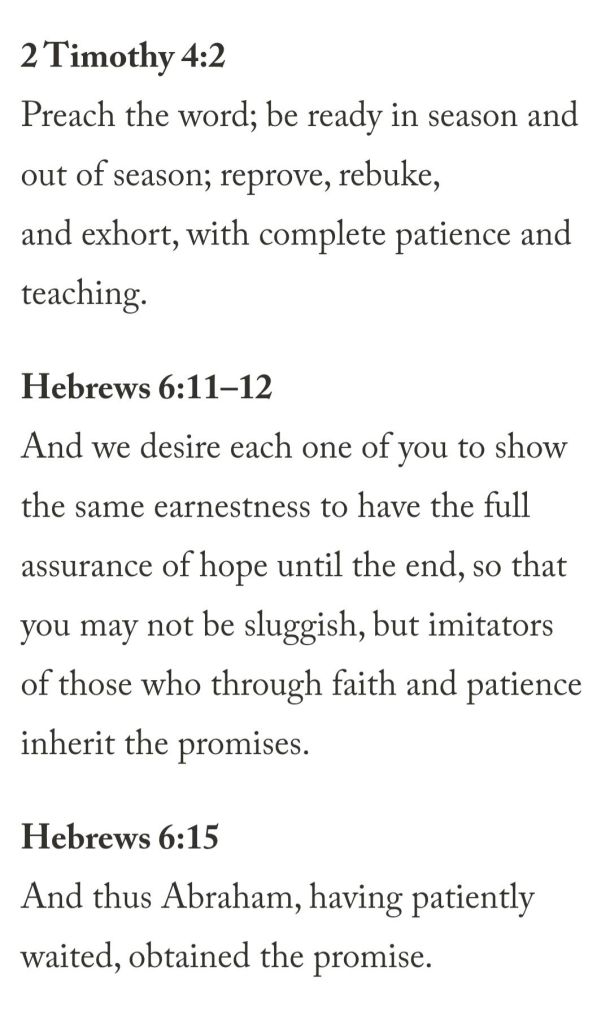


Hey Sweet Friends,
I pray you are encouraged!!
I stopped a bit short of the 100 verses. 😊 If you would like more verses, please let me know in the comments.
Love and prayers…k💗🙏
Easter Devotionals
Finished! – Easter Devotional – March 29
Sign Up for Email?
Finished!
When Jesus had tasted it, he said, “It is finished!” Then he bowed his head and released his spirit. —John 19:30
The cross was the goal of Jesus from the very beginning. His birth was so there would be His death. The incarnation was for our atonement. He was born to die so that we might live. And when He had accomplished the purpose He had come to fulfill, He summed it up with a single word: “finished.”
In the original Greek, it was a common word. Jesus probably used it after He finished a project that He and Joseph might have been working on together in the carpentry shop. Jesus might have turned to Joseph and said, “Finished. Now let’s go have lunch.” It is finished. Mission accomplished. It is done. It is made an end of.
So what was finished? Finished and completed were the horrendous sufferings of Christ. Never again would He experience pain at the hand of wicked men. Never again would He have to bear the sins of the world. Never again would He, even for a moment, be forsaken of God. That was completed. That was taken care of.
Also finished was Satan’s stronghold on humanity. Jesus came to deal a decisive blow against the devil and his demons at the cross of Calvary. Hebrews 2:14 says, “Only by dying could he break the power of the devil, who hadthe power of death.” This means that you no longer have to be under the power of sin. Because of Jesus’ accomplishment at the cross, finished was the stronghold of Satan on humanity.
And lastly, finished was our salvation. It is completed. It is done. All of our sins were transferred to Jesus when He hung on the cross. His righteousness was transferred to our account.
So Jesus cried out the words, “It is finished!” It was God’s deliberate and well-thought-out plan. It is finished—so rejoice!
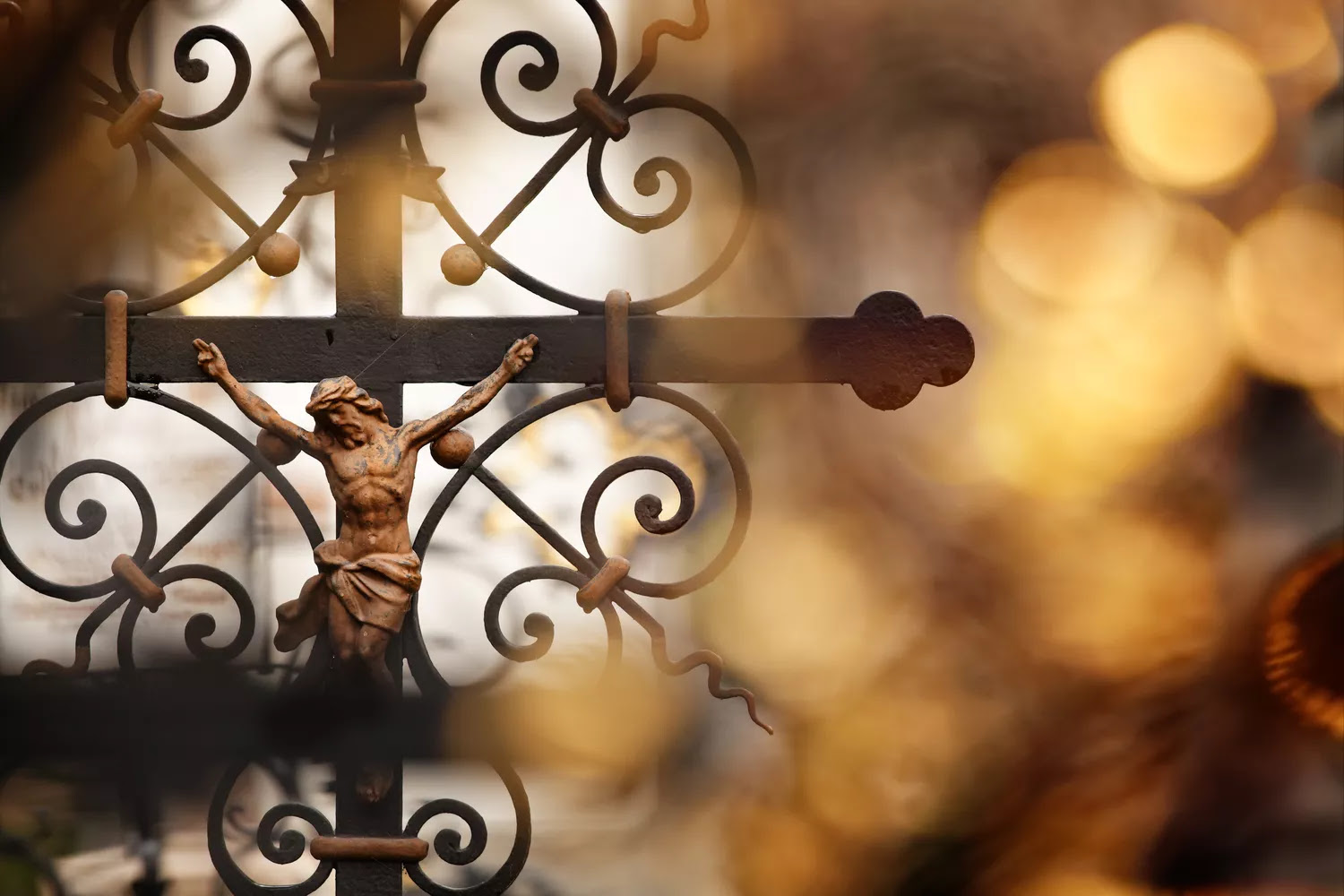
mammuth / Getty Images
By
Updated on June 03, 2021
Jesus Christ made seven final statements during his last hours on the cross. These phrases are held dear by followers of Christ because they offer a glimpse into the depth of his suffering to accomplish redemption. Recorded in the Gospels between the time of his crucifixion and his death, they reveal his divinity as well as his humanity.
As much as possible, based on the approximate sequence of events portrayed in the Gospels, these seven last words of Jesus are presented here in chronological order.
Luke 23:34
Jesus said, “Father, forgive them, for they do not know what they are doing.” (As translated according to the New International Version of the Bible, NIV.)
In his ministry, Jesus had proven his power to forgive sins. He had taught his disciples to forgive both enemies and friends. Now Jesus practiced what he had preached, forgiving his own torturers. In the midst of his excruciating suffering, the heart of Jesus focused on others rather than himself. Here we see the nature of his love—unconditional and divine.
Luke 23:43
“I tell you the truth, today you will be with me in paradise.” (NIV)
One of the criminals who was crucified with Christ had recognized who Jesus was and expressed faith in him as Savior. Here we see God’s grace poured out through faith, as Jesus assured the dying man of his forgiveness and eternal salvation. The thief would not even have to wait, as Jesus promised the man that he would share eternal life with Christ in paradise that very day. His faith secured him an immediate home in God’s kingdom.
John 19:26–27
When Jesus saw his mother there, and the disciple whom he loved standing nearby, he said to his mother, “Dear woman, here is your son,” and to the disciple, “Here is your mother.” (NIV)
Jesus, looking down from the cross, was still filled with the concerns of a son for the earthly needs of his mother. None of his brothers were there to care for her, so he gave this task to the Apostle John. Here we clearly see Christ’s humanity.
Matthew 27:46
And about the ninth hour Jesus cried out with a loud voice, saying, “Eli, Eli, lama sabachthani?” that is, “My God, My God, why have You forsaken Me?” (As translated in the New King’s James Version, NKJV.)
Mark 15:34
Then at three o’clock, Jesus called out with a loud voice, “Eloi, Eloi, lema sabachthani?” which means “My God, my God, why have you abandoned me?” (As translated in the New Living Translation, NLT.)
In the darkest hours of his suffering, Jesus cried out the opening words of Psalm 22. And although much has been suggested regarding the meaning of this phrase, it was quite apparent the agony Christ felt as he expressed separation from God. Here we see the Father turning away from the Son as Jesus bore the full weight of our sin.
John 19:28
Jesus knew that everything was now finished, and to fulfill the Scriptures he said, “I am thirsty.” (NLT)
Jesus refused the initial drink of vinegar, gall, and myrrh (Matthew 27:34 and Mark 15:23) offered to alleviate his suffering. But here, several hours later, we see Jesus fulfilling the messianic prophecy found in Psalm 69:21: “They offer me sour wine for my thirst.” (NLT)
John 19:30
… he said, “It is finished!” (NLT)
Jesus knew he was suffering the crucifixion for a purpose. Earlier he had said in John 10:18 of his life, “No one takes it from me, but I lay it down of my own accord. I have authority to lay it down and authority to take it up again. This command I received from my Father.” (NIV)
These three words were packed with meaning, for what was finished here was not only Christ’s earthly life, not only his suffering and dying, not only the payment for sin and the redemption of the world—but the very reason and purpose he came to earth was finished. His final act of obedience was complete. The Scriptures had been fulfilled.
Luke 23:46
Jesus called out with a loud voice, “Father, into your hands I commit my spirit.” When he had said this, he breathed his last. (NIV)
Here Jesus closes with the words of Psalm 31:5, speaking to God the Father. We see his complete trust in his heavenly Father. Jesus entered death in the same way he lived each day of his life, offering up his life as the perfect sacrifice and placing himself in God’s hands.
 | ReplyForwardAdd reaction |
Contributing Writer
UPDATEDMarch 25, 2024

Christians worldwide celebrate Holy Week every spring, commemorating the last eight days of Jesus’ life on earth. The time is a sacred one—an opportunity to reflect on and express gratitude to God for the most important events in the history of the world. The week begins on Palm Sunday and ends on Easter Sunday, each day set apart by various special services, readings, songs, and events.
Palm Sunday honors the day when Jesus humbly rode into Israel’s capital city, cheered as the new King of the Jews—and as the Son of God who would usher in an eternal kingdom. A handful of days later, many who misinterpreted His mission called for His death. Jesus was sent to die by crucifixion on Friday and, through His sacrificial death, paid the price for the sins of humanity. On Sunday, He resurrected to new life, proving His claim as the Savior of the world who had the power to defeat death. Since that day, those who believe He came for that purpose are welcomed as children of God into eternal life.
The following lists the days of the Holy Week timeline and the events that took place on those days. While most churches have special programming for Palm Sunday, Good Friday, and Easter Sunday, others devote each day of Holy Week to special meals, songs, and prayers.
Jesus had been teaching about the kingdom of God and His identity as the Jewish Messiah for about three years when the time came for Him to formally and publicly make that claim in Israel’s capital of Jerusalem (John 12:12-15). When He arrived, people greeted Him with a famous ancient symbol of victory—palm branches. The thousands of Jews carrying the branches had heard Jesus’s teaching about God’s kingdom and had been beneficiaries of his miracles. Many believed that He came to usher in the new kingdom promised in the Old Testament. They had waited 400 years to hear from God. Now, here was who seemed to be God’s Son, claiming He was the king of Israel.
But even Jesus’ mode of transportation into the city—a lowly donkey rather than a majestic warhorse—revealed the Jews’ misaligned expectations. Centuries of prophecies had suggested the Messiah would come and overthrow the Roman government and bring Israel back to the glory it enjoyed under King David (Psalm 110, Isaiah 2:2, Isaiah 11:12, Ezekiel 37:24). But the kingdom God was introducing was an eternal, universal kingdom, not a local, political movement. Just as Jesus’ birth was marked by unadorned humility, so would be the rest of His short time on earth.
During Palm Sunday services, churches across the world gather to wave palm branches as a nod to Jesus’ triumphal entry. The leaves can also be dried and woven into small, handheld crosses. More traditional churches might sing noted Palm Sunday hymns such as “All Glory Laud and Honor.”
Jesus had spent the evening of Palm Sunday out of the city, and upon return the next day, he taught in the temple of Jerusalem. He shared parables that used simple imagery to explain the kingdom of God. The Jewish leaders thought he was being blasphemous by doing so and questioned him (Matthew 21:23). Later, as he walked through the temple, Jesus became angry that the holy place of worship had become a place for buying and selling—and taking advantage of the poor. In his zeal, he overturned tables, enraging the vendors (Matthew 21:12-16). Then he spent the evening with his friends Lazarus, Mary, and Martha (Matthew 21:17).
It is here, at the beginning of the week, that Jesus increases and intensifies His public messages. The Gospels record the outrage of the leaders of the day, and we are meant to recognize that Jesus’ death on Good Friday will not be accidental or unexpected. Instead, Jesus deliberately stirs up the anger of those who wish to kill Him because He fully understands His mission as a sacrifice for the sins of the world.
The magnitude of Jesus’ messages contrasts with His decision to reconnect with several close friends. This was doubtless an encouragement to the three siblings in question and Jesus Himself as He processed what lay ahead of Him. Jesus had declared Himself to be “the resurrection and the life” shortly before raising Lazarus from the dead—a clear foreshadowing of His own death and resurrection.
The Eastern Orthodox Church observes Holy Monday with Bible readings and special hymns recounting the day’s events.
Gospel accounts suggest that on Tuesday, Jesus continued to publicize His message by teaching parables in the temple. The parable of the tenants in particular (Matthew 21:33-44) depicts a dramatic and even violent reflection of Jesus’ eventual sacrifice—an assignment from His Heavenly Father. Jesus also addresses the end times, the kingdom of God, the hypocrisy of those who claim to fear God, and what to expect when the Son of Man comes. In each parable, He speaks with certainty and gravity. Once again, Jesus’ authority to teach in such a way is questioned. This time, the chief priests seek to arrest Jesus after sensing He is speaking against them (Matthew 21:45). At this point, the crowd still reveres Jesus, so these plans are put on hold.
Each of these events is designed to show the reader that Jesus was the Son of God and that He knew it. No one could accuse Jesus of being a humble teacher indignant at the thought of being worshiped. Instead, Jesus invites this recognition of His deity (Matthew 24:25, Matthew 26:1).
Though not as highly celebrated as some of the other weekdays, the Catholic Church observes Holy Tuesday with relevant Scripture readings and hymns. In Mexico and Spain, Tuesday marks another day of Semana Santa (“Holy Week”), in which schools and many businesses are closed to allow for an extended celebration.
Jesus’ popularity had reached an apex with His entry into Jerusalem (John 12:19), and the Jewish religious leaders ramped up their efforts to rid themselves of Him. Between (alleged) blasphemy, public miracles, and blatant attacks on the religious establishment, they had now compiled what they believed was sufficient reason to take action. On Wednesday, plans were set in motion to capture Jesus—and kill Him. In the words of Caiaphas, who was the high priest that year, “You do not realize that it is better for you that one man die for the people than that the whole nation perish” (John 11:49-53). Later, Jesus is anointed by Mary at Bethany, with an expensive jar of perfume that Jesus later suggests is a preparation for His burial.
Understandably, Jewish leaders were angered at Jesus’ claim to be the Son of God and may have feared that they would lose power and authority if Jesus were to “come to power.” Yet Jesus was very popular with many people, and his miracles were hard to explain away. They needed to find and arrest him, but how? Their question was answered when Judas Iscariot, one of Jesus’ disciples, approached them with an offer to hand over Jesus for 30 pieces of silver. Judas’ possible motives have been debated throughout the centuries. One thing is for certain: his involvement meant the chief priests didn’t require any extended searches for Jesus the next evening.
This day is also sometimes referred to as Good Wednesday, or Great and Holy Wednesday, by Eastern Christian churches. In the West, it’s sometimes called Spy Wednesday. In countries such as the Czech Republic, Wednesday is used to give homes a thorough cleaning in preparation for Easter Sunday.
To some, Maundy Thursday may seem like an archaic, mysterious name. Is it a noun? An adjective? What does it have to do with Jesus? It turns out that maundy comes from the Latin mandatum, where we get the word “mandate” (a word much more familiar to us). The mandate, or command, in question is Jesus’ command that His followers love one another (John 13:34). How fascinating that while other moments from this historical day often get more attention—the Last Supper, the washing of the disciples’ feet, Judas’ swift exit from the table—the early church made Jesus’ new command the namesake for Maundy Thursday.
Many Christians reenact the Last Supper with a traditional seder meal similar to the one Jesus would have shared with His disciples; in this scenario, the words of Jesus are uttered by the priest or pastor. (Foods eaten can include a lamb shank bone, bitter herbs, and salted vegetables.) This special service can also include a foot-washing ceremony.
Some churches (particularly Lutherans and Catholics) will choose to offer a Tenebrae service (Tenebrae means “Shadow”). Here, the sanctuary’s candles or lights are gradually extinguished as clergy strip the altar of its linens. This can be accompanied by a loud noise at the end, meant to encourage meditation on the sufferings of Christ. Tenebrae may also start three days of special services, known as triduum.
The Gospel writers create a stark contrast between Palm Sunday and Good Friday, between the crowds shouting “Hosanna!” and “Crucify him!”
After Judas betrays Jesus (identifying Him to Roman guards with a kiss), Jesus is quickly carted through one ordeal after another. First, He is taken to the Jewish high priest, Caiaphas, who is joined by other elders and religious leaders (Matthew 26:57, 59-60). It is here that Jesus is physically assaulted for the first time (Matthew 26:67-68).
The Jewish leaders realize that their own laws prohibit them from killing Jesus themselves, so they hand Him over to the Roman governor. Pontius Pilate tells the Jews that he “finds no fault in” Jesus (John 18:28-38). Their rabid response sends him back inside to speak with Jesus once more, eventually relenting to Jesus’ death sentence. Jesus is whipped with various sharp, maiming implements, then mocked by soldiers (John 19:1-3). Betrayed by His friends and His nation, He now endures increasing physical and social agony.
Tucked within the three-hour ordeal of Jesus’ death are many significant fulfillments of Old Testament prophecies (Psalm 22, Isaiah 53, etc.) These contain details about the manner of His physical death (being nailed to a cross), ridicule from onlookers, and separation from God due to taking on the sins of humanity.
Many churches hold special Good Friday services that feature “Stations of the Cross,” interspersing special prayers with passages from the accounts of Jesus’ arrest, trial, and death. Similarly, “passion plays” feature multiple church members reenacting the words and actions of Jesus, Peter, Pontius Pilate, and others. In the Philippines, more graphic commemorations involve flagellation (whipping) and crucifixion reenactments. Periods of fasting and total silence are also common.
The Gospels are somewhat silent about what happened on Holy Saturday. In fact, only Matthew gives explicit details about the day’s events (Matthew 26:62-66). The details about the guard at the tomb are imperative when reflecting on the numerous alternative explanations for the empty tomb that have circulated for centuries. Matthew’s account makes it plain that no one could have overtaken both the Roman guard and the stone that took several men to move in the first place. Moreover, archaeology and Jewish history reveal that to enter a traditional tomb of that time, one had to stoop down and essentially crawl in—not walk in and out upright.
We know from the disciples’ that they likely remained in hiding, fearing punishment from the Romans or the Jewish elite. Like anyone who buries a beloved friend, they would’ve been in a state of mourning, likely too shocked to go about their business. The fact that it was the Sabbath meant that the rest of the community would’ve been somewhat quiet, even after the harrowing events of Friday.
Holy Saturday is also sometimes known as Easter Vigil. Some churches will hold prayer vigils and light commemorative candles. However, since Holy Saturday technically marks the end of Lent, certain churches take a more joyous approach with the celebratory ringing of bells. At home, some will prepare for the next day’s Easter celebration.
Finally, we come to one of the most important days on the Christian calendar and the culmination of the Holy Week timeline. The first Easter morning began quietly, not with the fanfare now associated with the holiday. Like Jesus’ birth, the day involved several unlikely witnesses to a miracle and an appearance and message from an angel. In one Gospel account, two of Jesus’ female followers arrive at the tomb to pay their respects. Suddenly, an earthquake rattles the ground, and an angel arrives on the scene to calm their fears, remind them of Jesus’ promise to rise again on the third day, and to tell the other disciples of the good news. Later, Jesus appears to the remaining disciples, further proving His status as the Son of God. Though He suffered from unspeakable wounds on Friday, His body only shows signs of three nail piercings and a spear wound.
Easter’s overwhelming worldwide popularity (even among nominal Christians or non-Christians) means there’s no shortage of Sunday festivities—or beloved foods. Here are several international favorites:
The Holy Week Timeline that holds events from the end of Jesus’ life changed the course of history, offering hope to those who now, through faith in His sacrifice, are called children of God.
Photo Credit: ©Getty Images/Coompia77
Anna Oelerich is a Chicago-area church youth director, freelance writer, and graduate of Taylor University. She received her B.S. in Professional Writing in 2018, but has loved words—reading, storytelling, list-making, and even handwriting—for as long as she can remember. Previously, she served as the marketing and communications coordinator for a community foundation, where she shared powerful stories of generosity, and encouraged others to give. When writing an article, or developing programming for her students, Anna enjoys highlighting the historical and cultural contexts of familiar Bible passages so others feel they are living the stories for themselves.
ORDER OF RESURRECTION EVENTS
You are here:Home/Timelines/Order of Resurrection Events
Mt 28:2-4
There is a great earthquake, not to let Jesus out of the tomb but to permit witnesses to enter.
Mt 28:1; Mk 16:1-4; Lk 24:1; Jn 20:1
Mary Magdalene, Mary the mother of James, Salome, Joanna, and other women come to the tomb at daybreak, leaving their homes while it was still dark.
Jn 20:2
Mary Magdalene runs to tell Peter and John.
Mt 28:5-8; Mk 16:2-8; Lk 24:2-7
The other women enter the tomb and are addressed by the angel.
Jn 20:3-10; Lk 24:12
Peter and John arrive at the tomb after the women have left.
Jn 20:11-18; Mk 16:9-11 “first”
Jesus appears to Mary Magdalene.
Mt 28:9-10
Jesus appears to the other women.
Mt 28:11-15
The chief priests and the elders bribe the guards to cover up the resurrection.
Lk 24:8-11
The women tell the disciples.
1 Cor 15:5; Lk 24:34; cf. Mk 16:7
Jesus appears to Peter.
Mk 16:12-13; Lk 24:13-35
Jesus appears to the Emmaus disciples.
(the order of this event and the previous event could be interchanged)
Lk 24:36-49; Jn 20:19-23
Jesus appears to the Ten in the locked room.
Post-Easter appearances by Jesus:
1) to the Eleven (Jn 20:24-29; Mk 16:14?)
2) to the Seven at the Sea of Galilee (Jn 21:1-23)
3) to the Eleven on a mountain in Galilee (Mt 28:16-20; Mk 16:15-18)
4) to 500 at one time (1 Cor 15:6)
5) to James (1 Cor 15:7)
6) the Ascension (Mk 16:19; Lk 24:50-53; Acts 1:1-11)
7) to Saul of Tarsus (Acts 9:3-6; 1 Cor 15:8)
March 12, 2024
Share
I didn’t grow up in a church that noted or celebrated Maundy Thursday. I recall seeing the name and being at least vaguely familiar enough with the term to associate it with Holy Week and the days leading up to Easter Sunday. To define it or understand it, however, I was lost.
Palm Sunday and Easter Sunday are noted for their celebration. Bookending the week, Jesus entered Jerusalem heralded as a king to start and was pronounced, “Alive!” at the empty tomb at the week’s conclusion. Days like Maundy Thursday and Good Friday and the Passion Week events they note, however, are far more somber and contemplative. It is often Catholics or more liturgical Protestants who observe Maundy Thursday although it can be quite common in other evangelical conversations and might even be growing in popularity. Do you know what it means and where the name is derived?
It wasn’t until adulthood and the start of my ministry journey that I uncovered the idea behind Maundy Thursday or participated in any traditional observances and gathered services regarding it. It wasn’t until a deeper inquiry that I discovered the meaningful connection. It being Easter, let’s chase a rabbit for a moment and scout out some connections.
The name maundy comes from the Latin word mandatum which means command and, you guessed it, is where we grab the word mandate. The longer phrase, mandatum novum do vobis, is translated as, “A new command I give you,” and finds its home in Jesus’ words in John 13. On the evening he was arrested, Jesus instructed his disciples [sans Judas] with these words:
“I give you a new command: Love one another. Just as I have loved you, you are also to love one another. By this everyone will know that you are my disciples, if you love one another.”
John 13:34-35
Maundy Thursday, in terms of the Passion Week timeline, marks the night Jesus celebrated the Passover seder with his disciples in the upper room. You can read about that particular event in the following Gospel passages (Matthew 26:17-30; Mark 14:12-26; Luke 22:7-38; & John 13).
The holiday that they were honoring and remembering, however, dated back to Israel’s plight in Egypt, chronicled by Moses in the Old Testament book Exodus. It was God’s rescue from slavery under Pharaoh that Israel remembered. Going forward, it would be rescue from slavery to sin that believers cherish. The death of Egypt’s firstborns while Israel’s sons were “passed over” paved the perfect way for God to illustrate His grand design to place our sin’s sentence on His firstborn Son while we are quite literally spared. The Passover was all about rescue and it painted a picture of eternal choosing and precious salvation. Following this powerful moment of rescue in Exodus, God offered to His ransomed people his Holy commands.
Piecing together the gospel accounts, you know that Christ was anointed in a beautiful display of extravagant worship, and then humbly turned the towel toward his band of disciples, washing their feet one by one. Now prior to His great act of sacrifice, a new command was attached. John 3:16 outlines so beautifully why Jesus came and ultimately why Jesus suffered. The apostle wrote that God “so loved the world that he gave his one and only Son.” Christ’s service oriented display and eventually his sacrificial death, thus, become the pictures of love we’ve been commanded to portray.
“While Good Friday and Resurrection Sunday garnish the lion share of our attention, bypassing Maundy Thursday, we miss something that matters. Love. It’s how His light is shown and how the world will see Him and come to trust Him.”
Nic Allen
So, on Maundy Thursday, leading up to Easter, whether you enjoy an elaborate seder or simply read and meditate on the story of Jesus, how will you employ that Holy command to love as Jesus loved. Perhaps participating in Holy Communion, the priority should probably be examining His Holy Command. Consider the following questions:
Remember these words. In Christ’s longest and most famous recorded discourse, the Sermon on the Mount, Jesus said,
“In the same way, let your light shine before others, that they may see your good deeds and glorify your Father in heaven.”
Matthew 5:16
Peter took those words to heart and wrote in his epistle, “Conduct yourselves honorably among the Gentiles, so that when they slander you as evildoers, they will observe your good works and will glorify God on the day he visits” (1 Peter 2:12).
Jesus so aptly explained in John’s recoding, “By this everyone will know that you are my disciples, if you love one another” (John 13:35).
Paul prescribed, “I will show you an even better way,” and, “the greatest of these is love” (1 Corinthians 12:31 and 13:13).
Leading up to Easter, are you leaning into love? As Christians everywhere honor Christ’s death and celebrate the resurrection, we would do well to remember first and foremost His holy command, that we love one another. While Good Friday and Resurrection Sunday garnish the lion share of our attention, bypassing Maundy Thursday, we miss something that matters. Love. It’s how His light is shown and how the world will see Him and come to trust Him.
The very best way to celebrate Easter this year might just be obedience. Jesus said that too. “If you love me, you will keep my commands” (John 14:15). So, via mandatum novum do vobis, it would seem that the Easter axiom we should focus on most is the command to love. With that mandate, we indicate how much we love Christ and we illustrate how very much God loves the world.
Nic Allen resides in Nashville, Tenn., and pastors the Nashville Campus of Rolling Hills Community Church. He and his wife Susan have been married for 21 years and have three children, ages 9, 14, and 15.
 Josephine's Designs